Types of Services
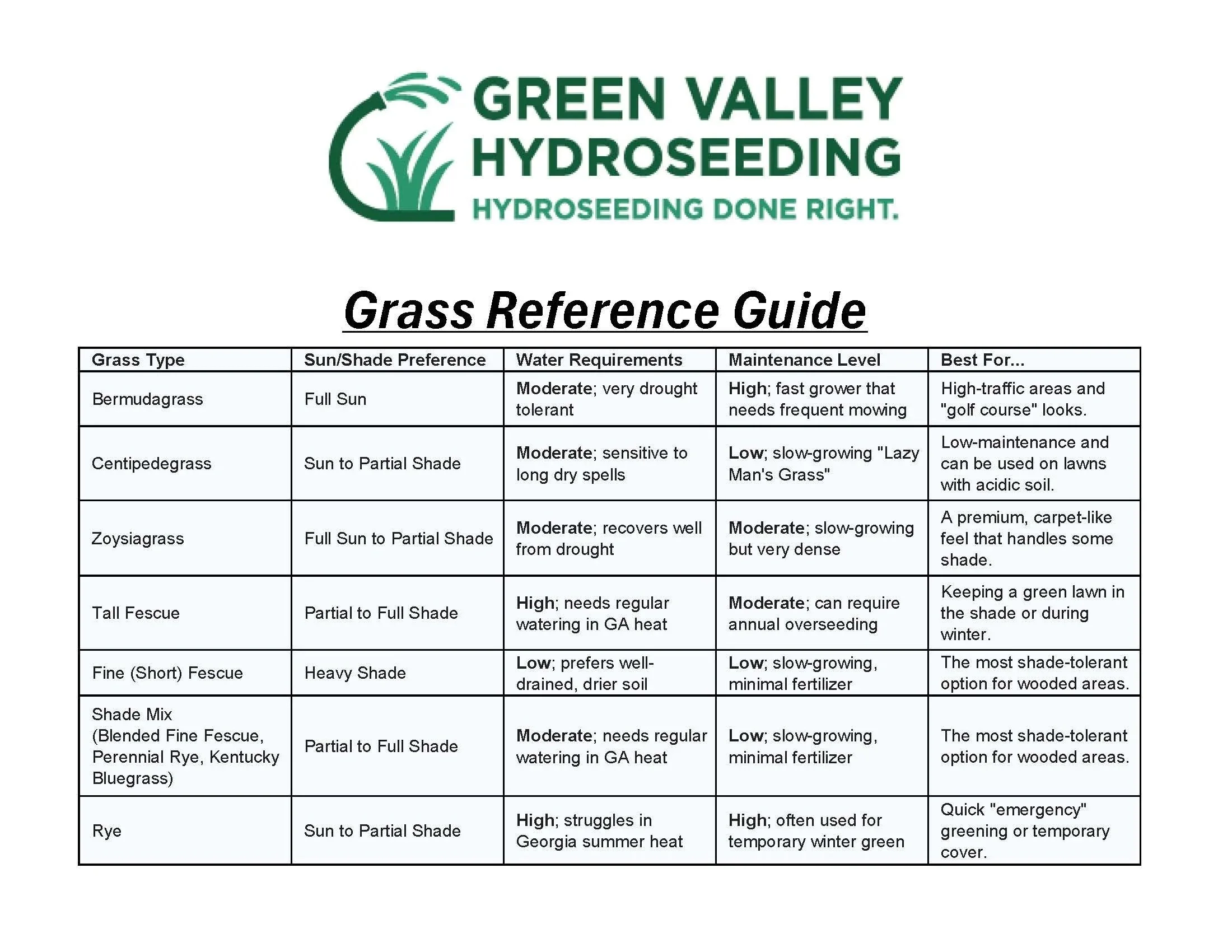
Bermuda
Centipede
Zoysia
Rye
Shade Mix
Fescue
Residential
✳︎
Commercial
✳︎
New construction seeding
✳︎
Erosion control
✳︎
Lawn repair & Overseeding
✳︎
Slopes, ditches, large areas
✳︎
Residential ✳︎ Commercial ✳︎ New construction seeding ✳︎ Erosion control ✳︎ Lawn repair & Overseeding ✳︎ Slopes, ditches, large areas ✳︎
Bermuda Grass
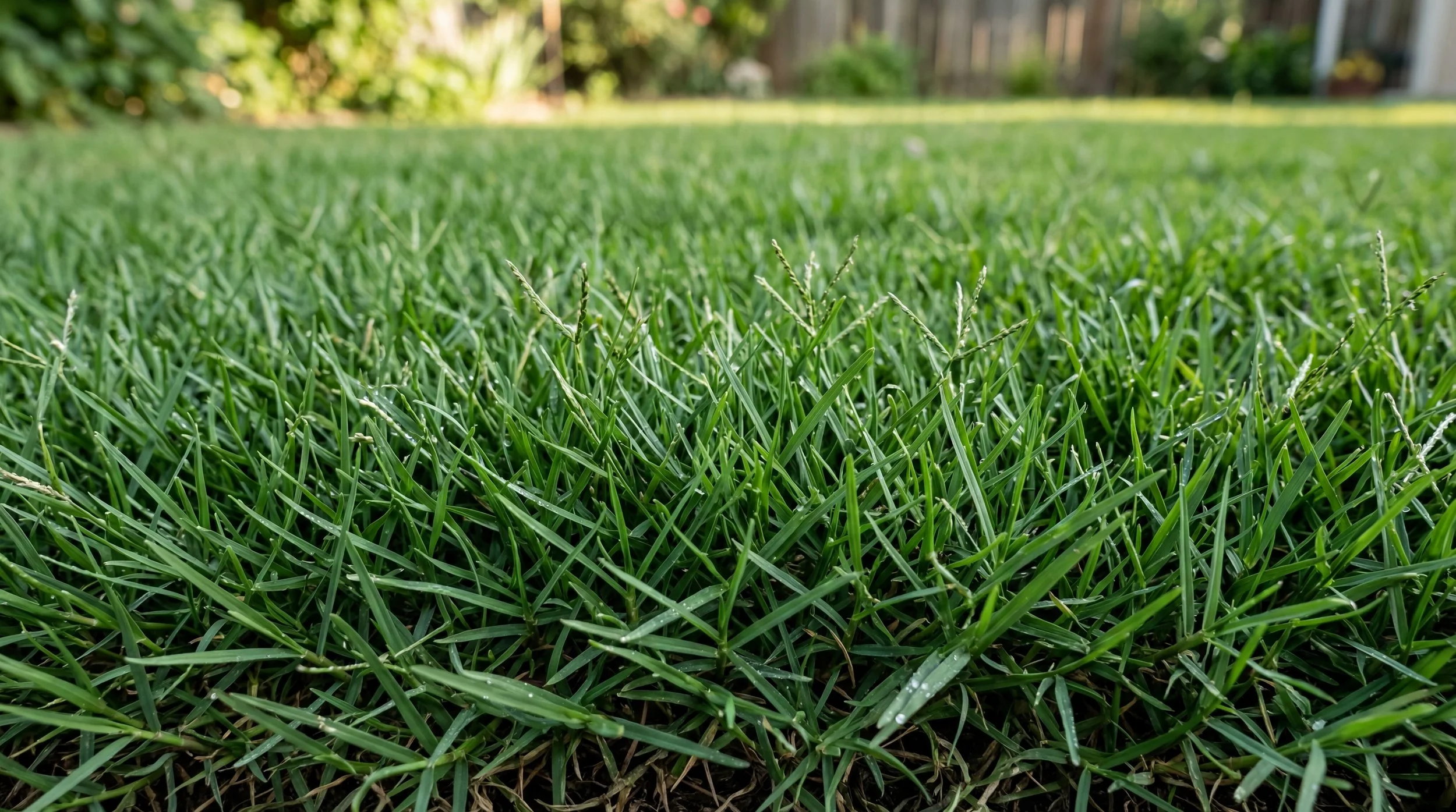
Bermuda grass is a "warm-season" turf, meaning it lives for heat and direct sun. It is notoriously tough and drought-resistant, but it has a few non-negotiables
Rye Grass
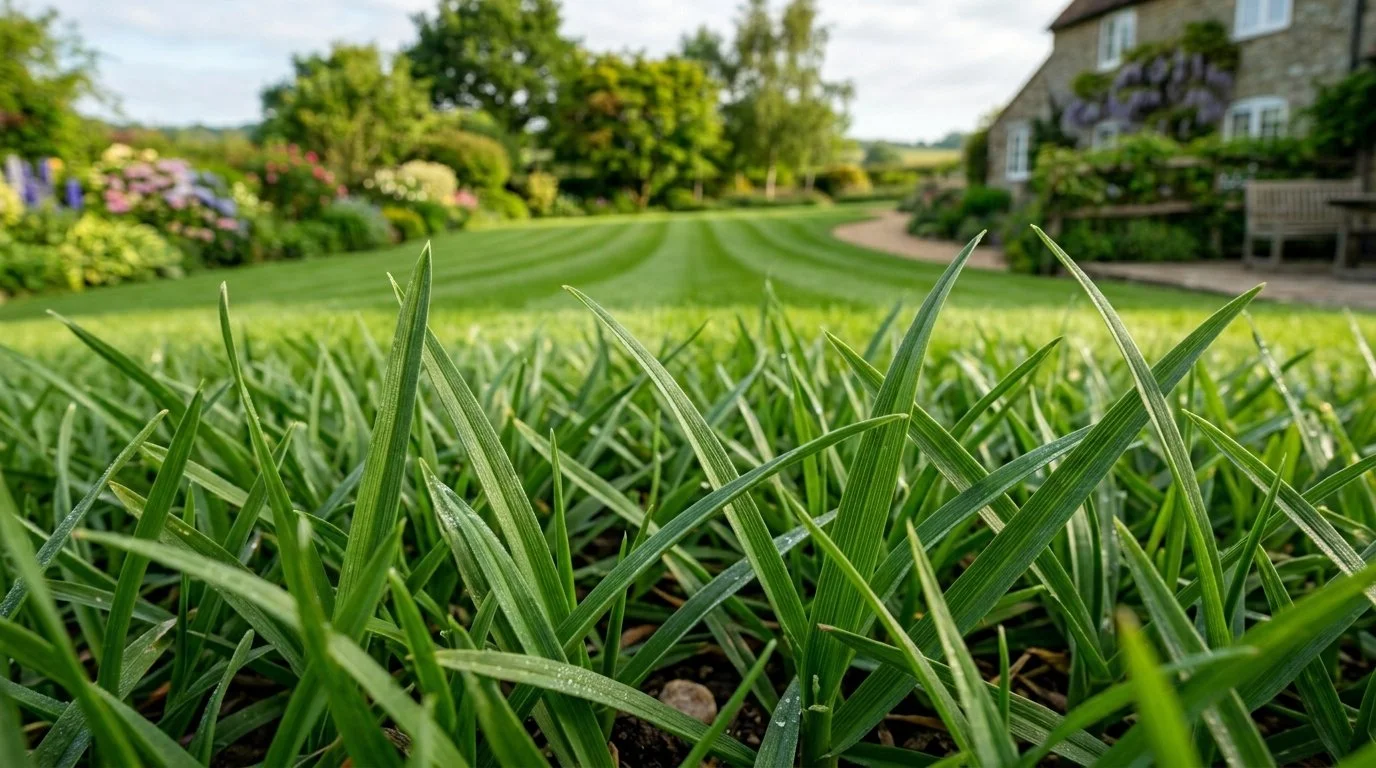
In Middle Georgia, Rye is almost exclusively used as a "temporary" winter cover while your permanent lawn is dormant.
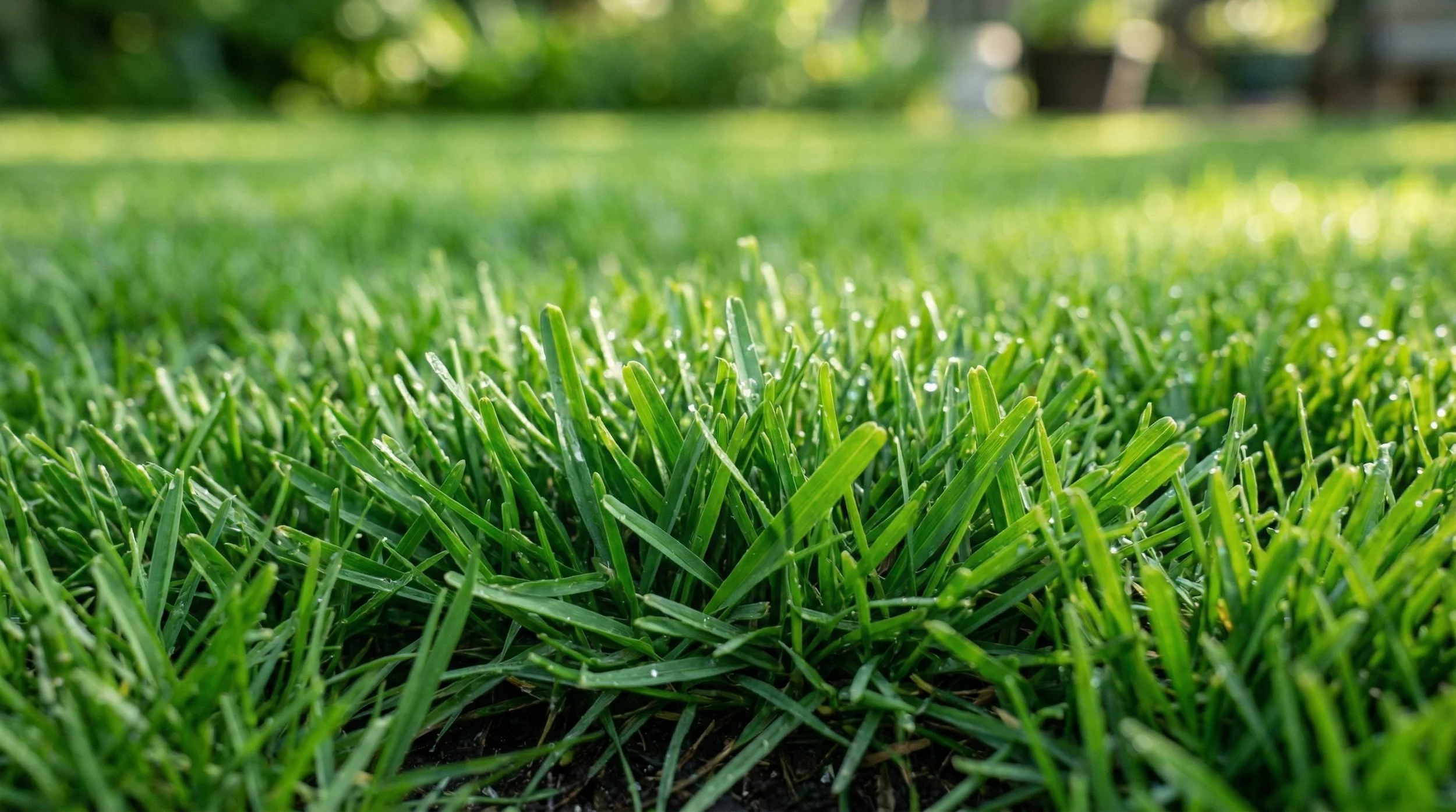
Zoysia Grass
Zoysia is often called the "barefoot grass" for its thick, carpet-like feel. In a climate like Georgia’s, it's the premium alternative to Bermuda, especially if your yard isn't just one big open sun-drenched field
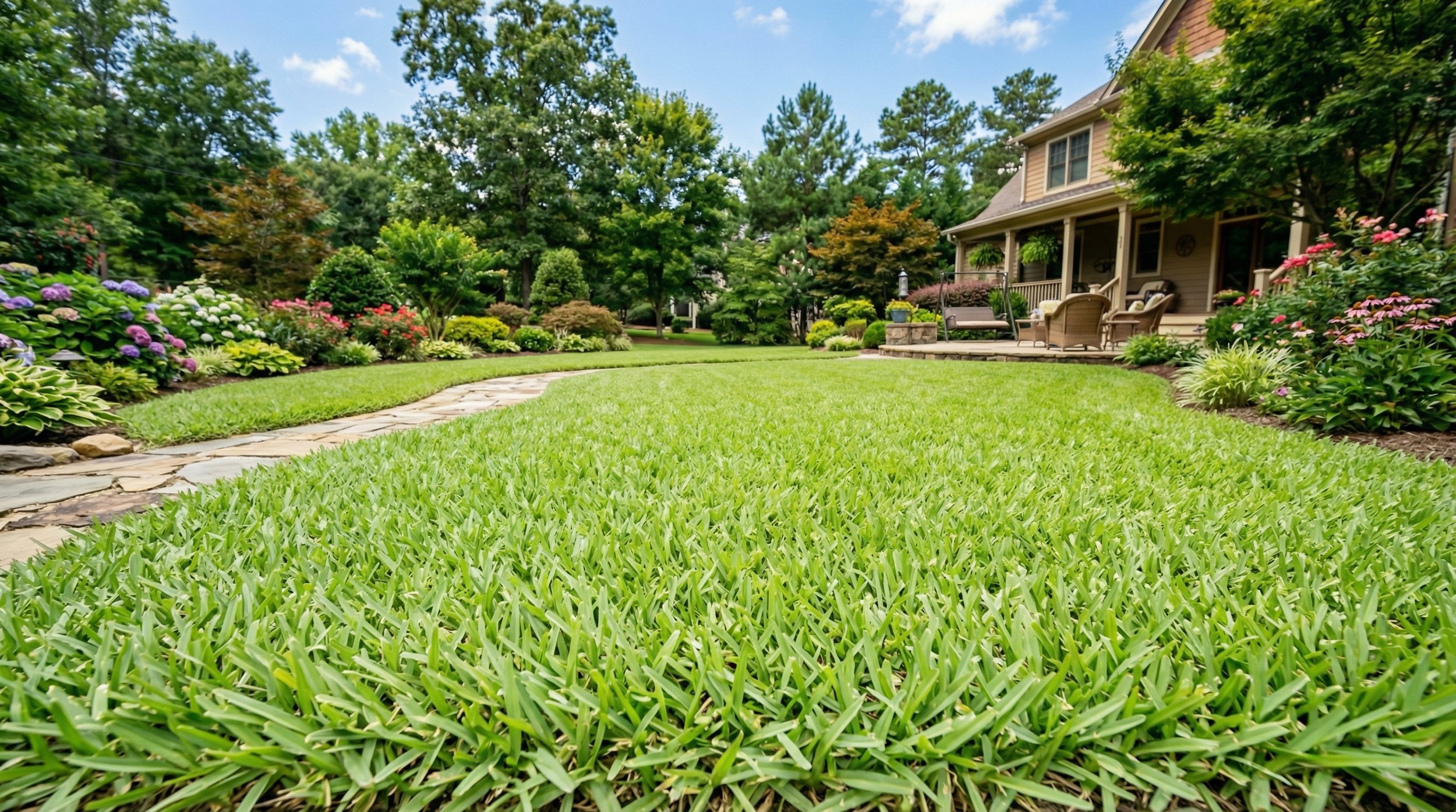
Centipede Grass
Centipede grass is often called the "Lazy Man's Grass" because it’s the lowest-maintenance option for our region. However, it is also the most "sensitive" grass—if you treat it like Bermuda (lots of fertilizer and lime), you will actually kill it
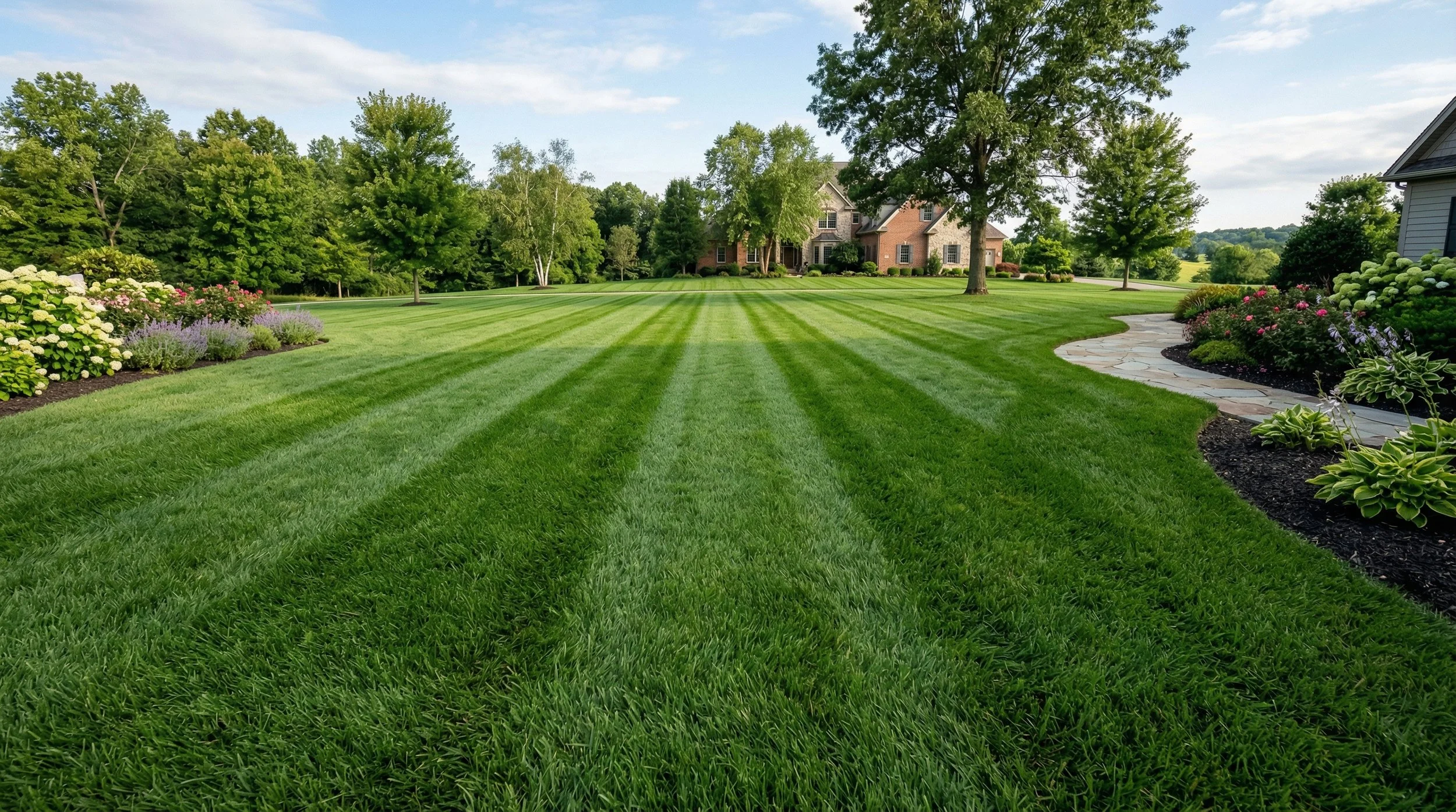
Fescue Grass
Fescue is the "rebel" of Georgia lawns. While Bermuda and Zoysia are sleeping (brown) in the winter, Fescue is vibrant and green. However, while those grasses are thriving in the 95°F July heat, Fescue is fighting for its life
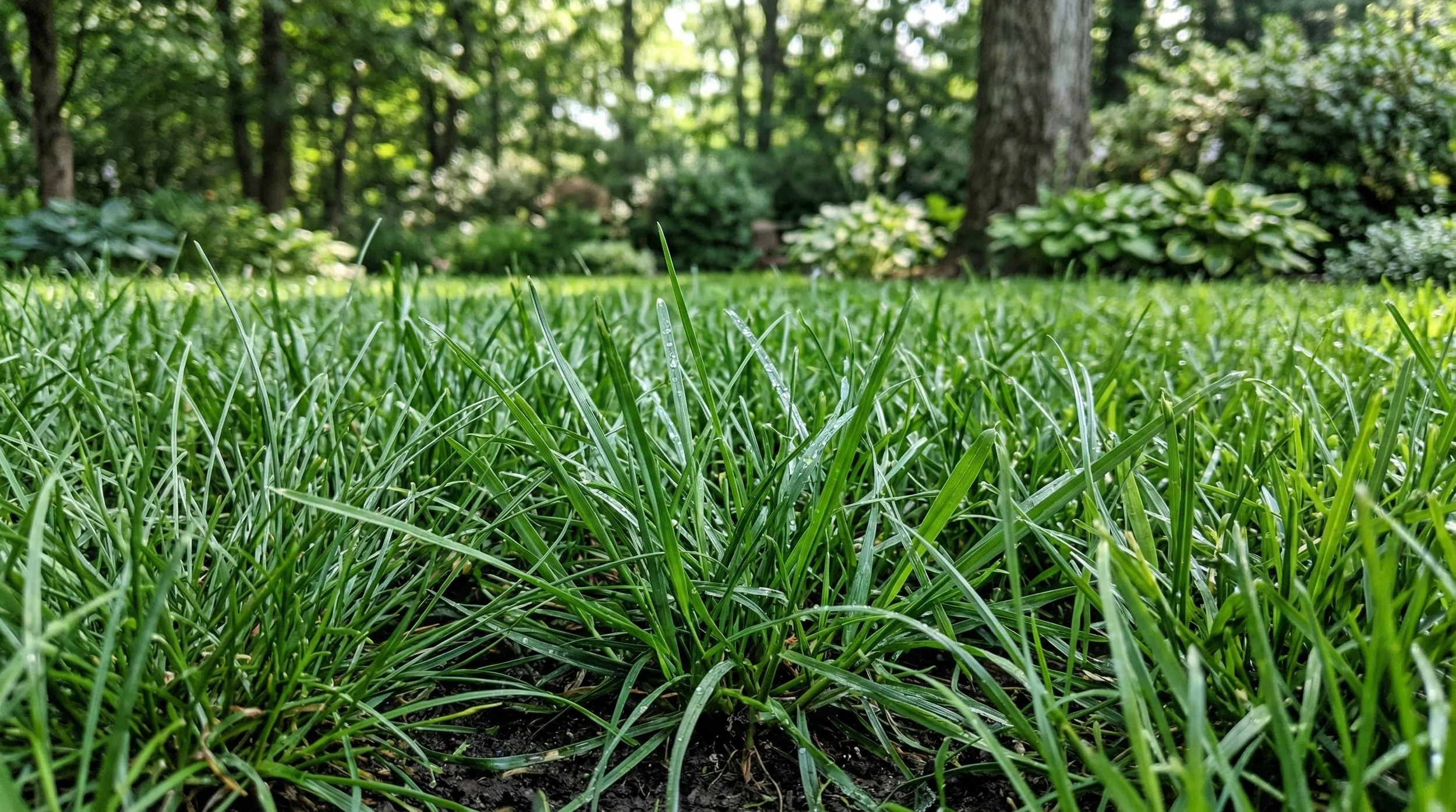
Shade Mix
Shade Mix is a true shade-tolerant mix for our region usually introduces "cool-season" varieties to fill the gaps.
-
. Watering (The Most Critical Step)
The primary goal is to keep the mulch and seed bed consistently moist without causing runoff or puddling.
· Initial Phase (Days 1–14): Start watering 24 hours after application to allow the "tackifier" (glue) to set. Water 3–4 times daily for 10–20 minutes per session.
· Germination Phase (Days 14–30): Once you see grass blades, reduce frequency to once daily but increase the duration to encourage deeper root growth.
· Established Phase (1 Month+): Transition to "deep and infrequent" watering, aiming for about 1 inch of water per week.
· Pro-Tip: Avoid watering at night, as it can trap moisture and invite fungal diseases.
-
Wait until the grass is well-anchored before its first cut.
· Timing: Your first mow should occur when the grass reaches 3–4 inches in height (usually 4–6 weeks after application).
· Height Rule: Never remove more than 1/3 of the grass blade at once. Set your mower to its highest setting (around 3 inches) for the first few cuts.
· Blades: Ensure your mower blades are sharp; dull blades will tear the tender new grass instead of cutting it, leading to disease.
· Clippings: Do not bag your clippings. Leave them to decompose and return nutrients to the soil (mulching) but remove any large clumps that might smother the new grass.
-
Fertilizer: Apply a starter fertilizer (like an 18-24-12 or 19-19-19) roughly 3–4 weeks after application, or after the first mow. Follow up every 6–8 weeks during the growing season.
-
Do not use weed killers or "weed and feed" products for at least 3 months or until you have mown the lawn 3–5 times. Young grass is too sensitive for these chemicals; hand-pull any weeds that appear early on.
-
· Keep Off: Stay off the lawn entirely for the first 3–4 weeks.
· Pets & Kids: Minimize traffic for 5–6 weeks to prevent bare spots or soil compaction, which stunts root development.
Maintenance
Things to know!